
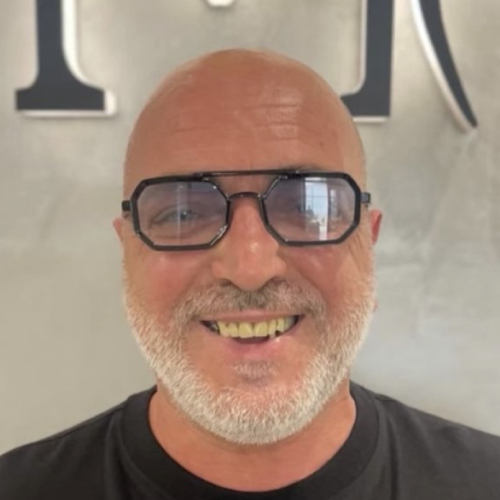
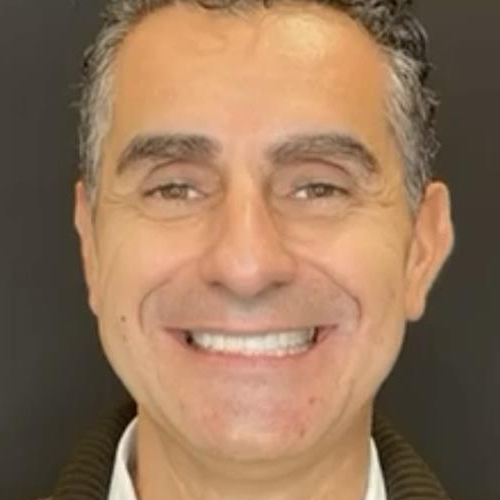
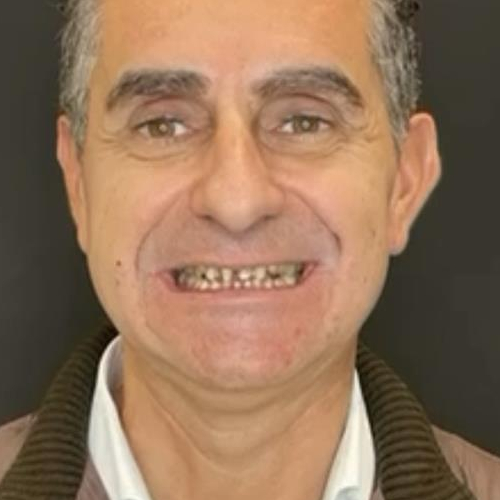
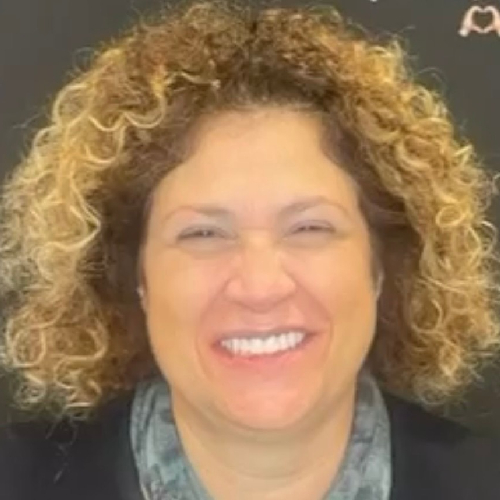

Individual results vary. Suitability and outcomes depend on each patient’s clinical circumstances.
Discuss your goals with the treating dentist to understand whether veneers or another option may suit your teeth.
The aim of the assessment is to choose the option that fits the health of the teeth and the desired result – whether that is veneers, bonding, crowns, orthodontics or another approach.
Will My Teeth Need to Be Shaped?
Some veneer cases require tooth preparation and others may involve minimal preparation. The amount depends on the starting position and shape of the teeth, the material and the planned aesthetic result.
Important: where tooth structure is removed, that change can be irreversible. The dentist should explain the proposed preparation before any work begins.
What Are the Main Risks to Understand?
Potential considerations can include sensitivity, chipping, cracking, debonding, future repair or replacement, and the effect of gum health, bite or grinding on suitability and longevity. Further dental care may be needed over time.
Your Smile Should Still Look Like You
Discuss your preferred shade and shape with the treating team before final fitting. Ask which smile-planning and try-in options are available for your case.
VENEERS, CROWNS AND BONDING
Ask the treating team to confirm the material proposed for your case and explain why it is suitable before you agree to treatment.
Your personalised quotation should identify the proposed material and treatment.
For multiple veneers or a wider smile restoration, planning may also consider how many teeth show when you smile, symmetry, shade transitions, proportions, gum line, bite and whether other procedures should form part of the overall plan.
YOUR JOURNEY
Confirm your treatment plan and travel arrangements before booking your journey.
| Step | Stage | Important note |
|---|---|---|
| 1 | Send photos and available X-rays | No X-ray yet? The enquiry can still be submitted. |
| 2 | Receive a preliminary clinic review and quotation | Based on the information provided remotely. |
| 3 | Confirm the proposed journey and travel arrangements | Review the travel and support services included in your quotation. |
| 4 | Attend an in-person examination and smile-planning appointment | The dentist confirms the clinical plan after examination and diagnostics. |
| 5 | Complete preparation, try-in and final fitting | According to the confirmed clinical and laboratory workflow. |
| 6 | Return home with aftercare coordination | Confirm whom to contact for follow-up after you return home. |
Before booking travel, ask the treating team to confirm the planned appointments, length of stay and whether a further visit may be needed for your case.
Request a personalised quotation and review the proposed treatment, agreed inclusions and any separate costs before deciding whether to travel.
Patients should continue daily oral hygiene, regular dental checks and professional cleaning. They should avoid using their teeth to open packaging and tell the dentist about grinding or clenching. A protective night guard may be recommended in appropriate cases.
Minimal- or no-preparation approaches may be possible in selected cases but are not suitable for everyone.
There is no universal number. It depends on your smile, the teeth that need changing and how treated teeth will blend with untreated teeth.
Existing veneers can sometimes be replaced after assessment of the supporting teeth, gums, bite and current restorations.
Yes. The clinic can assess existing work and recommend repair, replacement or no intervention after examination.
Tell the dentist because grinding can affect suitability, material choice and aftercare.
Contact Premium Dentravel so the issue can be directed through the agreed aftercare pathway. Urgent problems may require local clinical care.
CONTACT US